Heirloom Baby Blankets: What Makes One Worth Passing Down
A baby blanket only becomes an heirloom if it is built to survive decades of washing, storage, and the occasional overenthusiastic toddler tug. Plenty of blankets are pretty for a season. Very few are made with the fiber choice, stitch structure, and finishing that let them still look beautiful when a grandchild wraps up in the same piece thirty years later. This guide breaks down exactly what separates a keepsake blanket from an ordinary one, plus how to choose, personalize, and care for one so it actually lasts.
What Actually Makes a Blanket an Heirloom
An heirloom blanket earns that label through three things working together: a fiber that resists yellowing and pilling, a stitch pattern dense enough to hold its shape after hundreds of washes, and a design simple enough to still feel current in twenty years rather than dated to one specific trend cycle. A blanket that nails all three can move from baby’s first swaddle to a christening photo to a keepsake box, and still look intentional the whole way through.
The goal is longevity over novelty. A blanket covered in trendy character motifs or a color that was popular for exactly one season rarely survives being handed down, not because the yarn wears out, but because nobody wants to use it once the trend fades.
Fiber Choice: The Single Biggest Factor
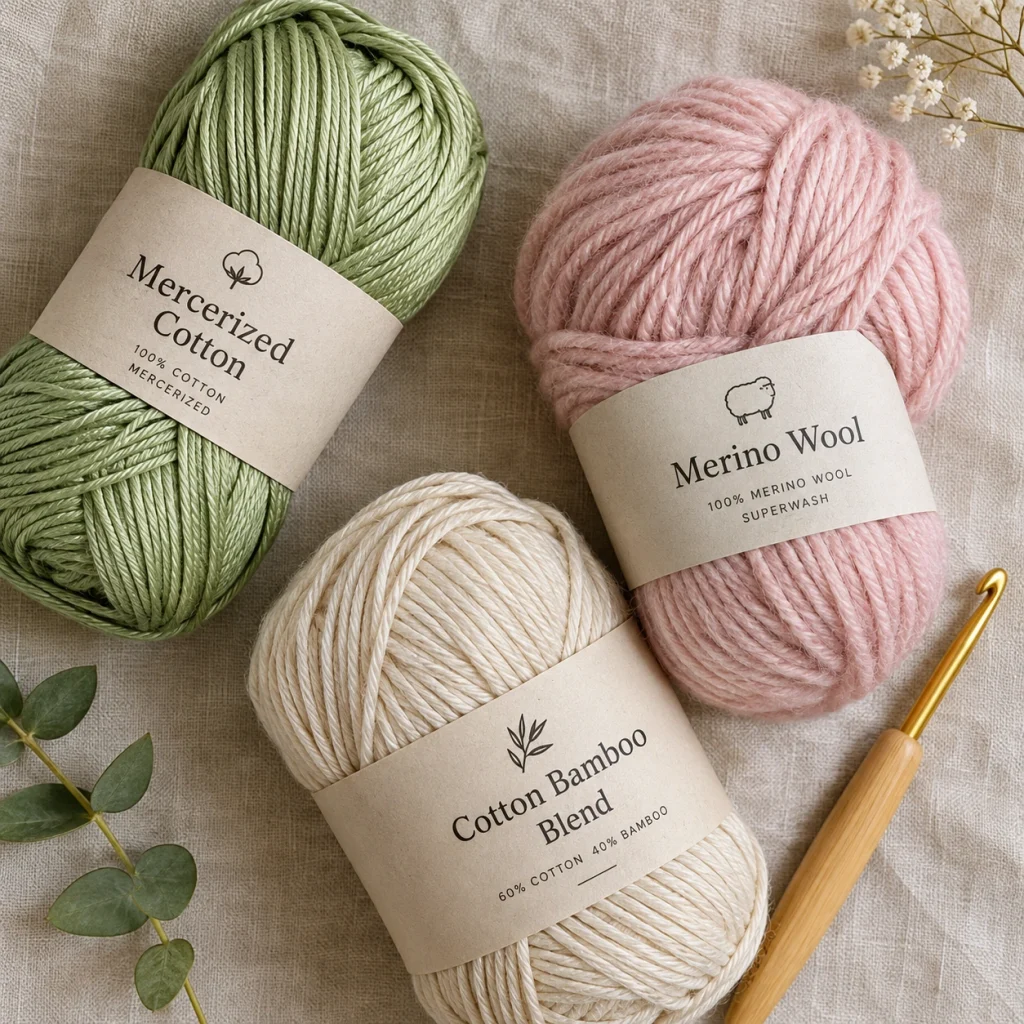
Fiber matters more than any other decision in an heirloom project, because it determines whether the blanket is still soft and white in thirty years or yellowed and stiff after five.
| Fiber | Longevity | Feel | Best For |
|---|---|---|---|
| Mercerized cotton | Excellent, resists yellowing | Crisp, slightly cool to the touch | Christening blankets, display pieces |
| Merino wool | Very good if stored properly | Soft, warm | Cooler climates, cherished winter babies |
| Cotton-bamboo blend | Good | Silky, breathable | Warm-weather keepsakes |
| Standard acrylic | Fair, can yellow or pill over decades | Soft initially | Everyday blankets, not true heirlooms |
Standard acrylic yarn is fine for a blanket meant for daily use, but it is generally a poor choice for a true heirloom because most acrylic fibers yellow or develop a slight sheen loss after many years in storage. Mercerized cotton is the most common choice for genuine keepsake pieces because it holds its bright white or ivory color remarkably well over time.
Stitch Patterns That Age Well
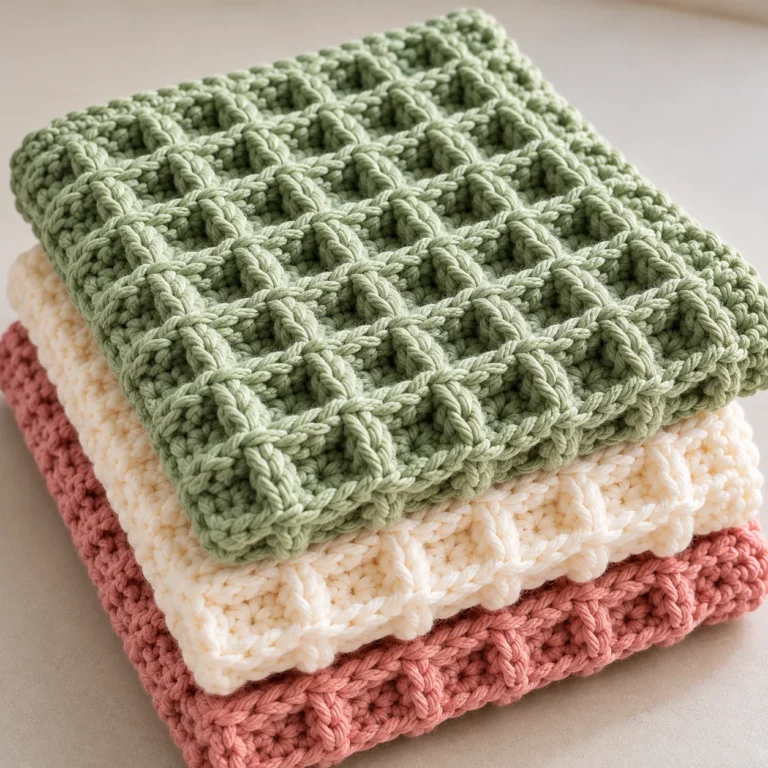
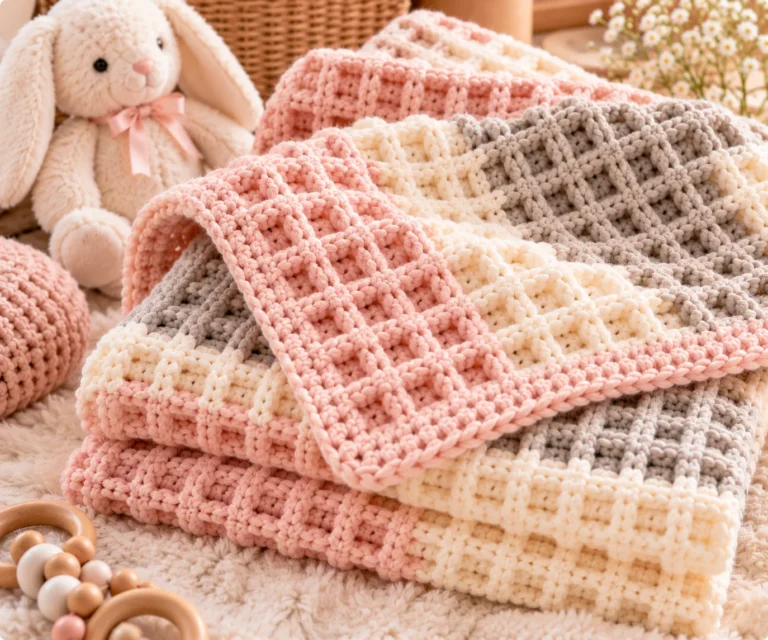
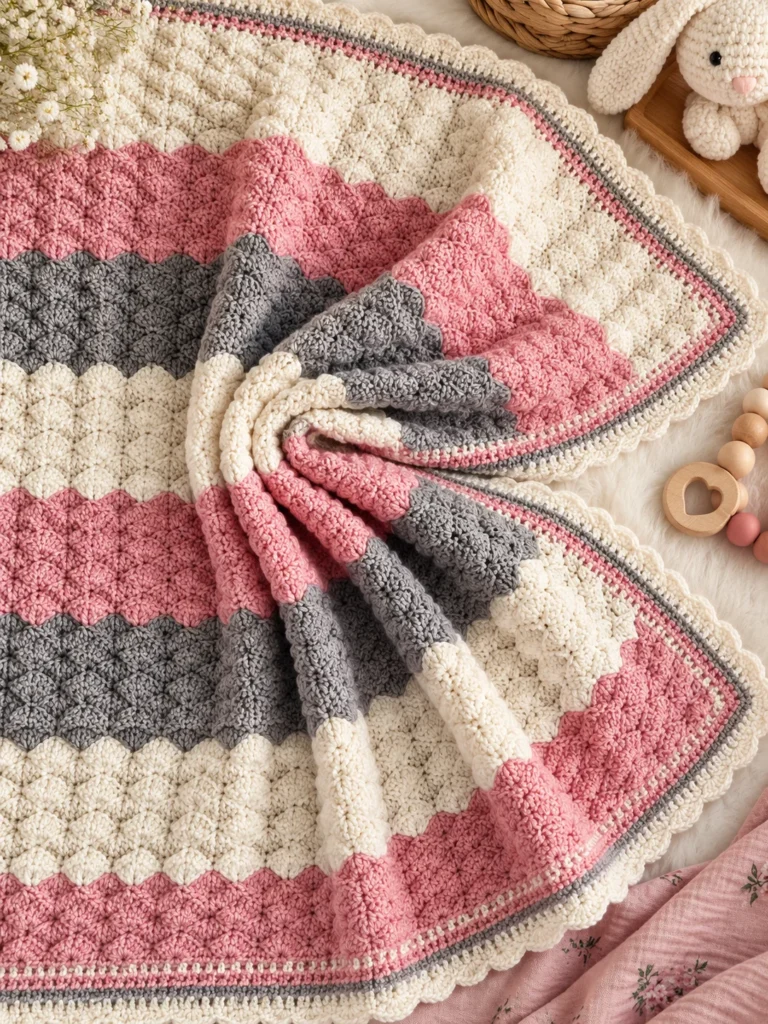
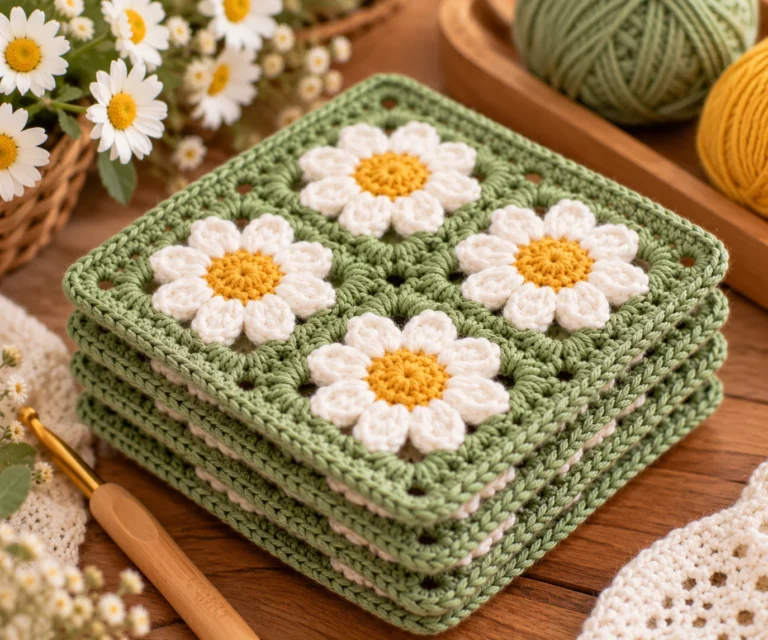
Some stitch patterns simply hold their structure longer than others. Dense, tightly worked stitches like the shell stitch, the classic granny square, and the popcorn stitch tend to keep their shape through repeated washing far better than loose, open lacework, which can stretch and sag over decades of use and storage.
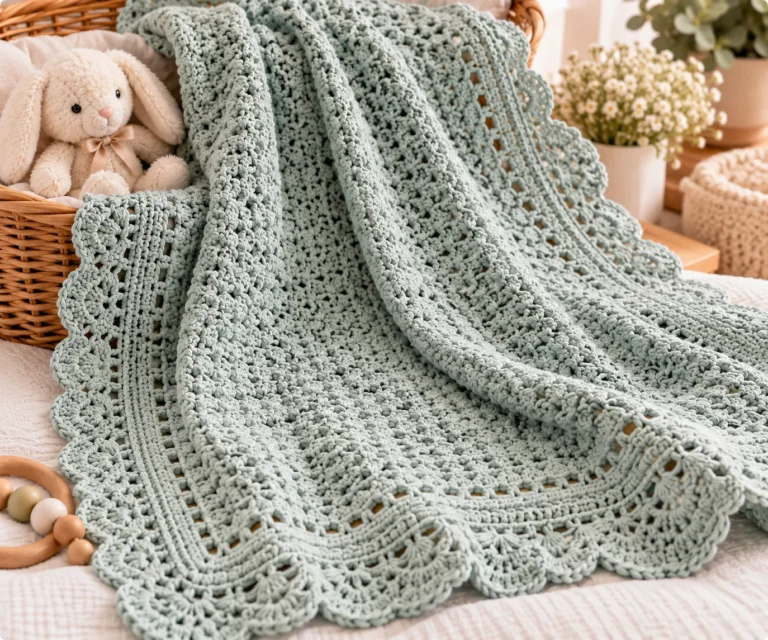
Lace and filet crochet can absolutely be used for an heirloom piece, but they generally need a firmer hook-to-yarn ratio (a smaller hook than the yarn label suggests) to prevent the holes from stretching out of shape over time. If the blanket will genuinely be handled by multiple generations of children rather than kept purely for display, a denser stitch is the safer choice.
Stitches best suited for heirloom durability:
- Classic granny square, worked with a slightly tighter tension than usual
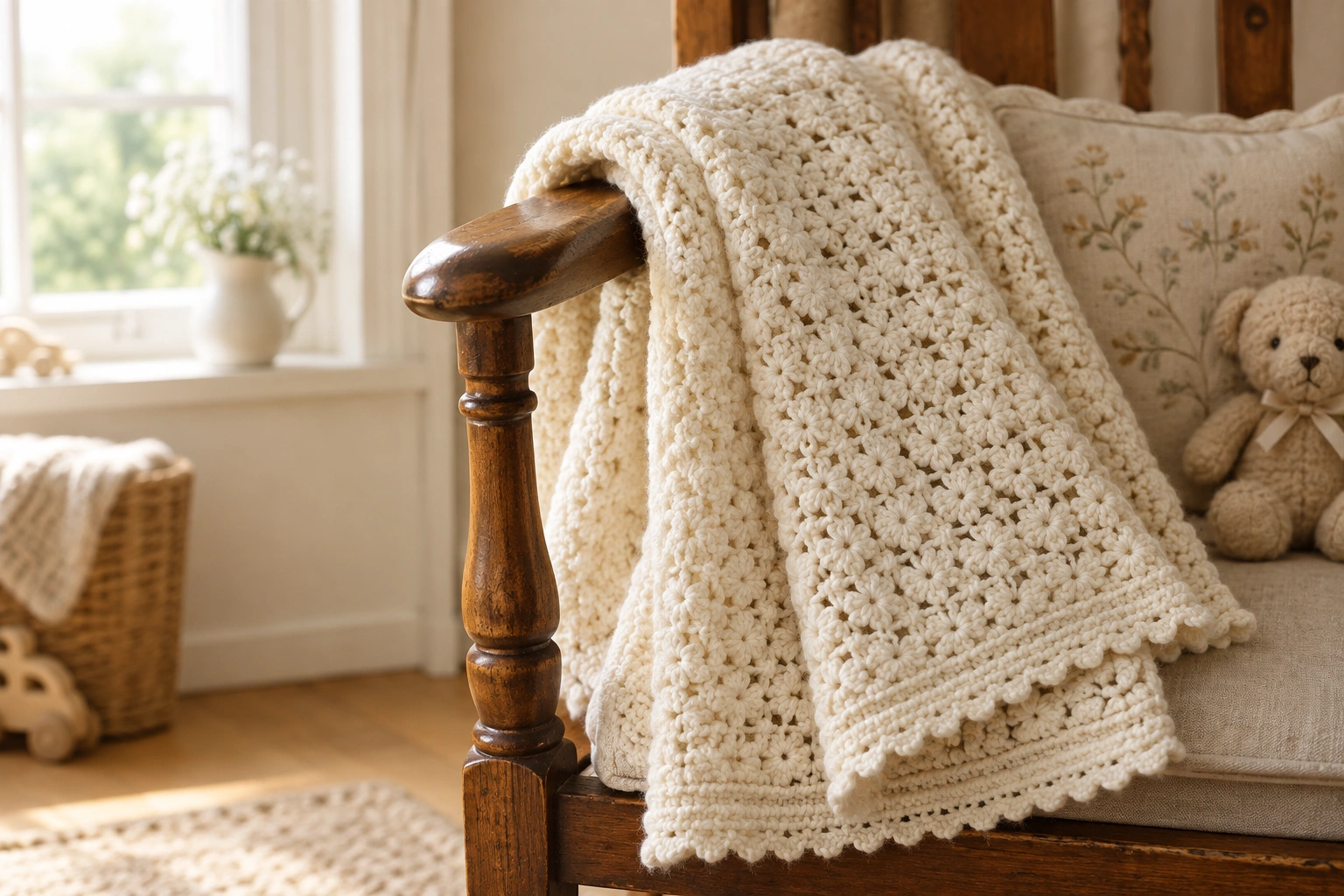
- Shell stitch border with a solid single or double crochet body
- Popcorn or bobble stitch accents on a solid background
- C2C (corner to corner) for a clean, blanket-like drape that holds its shape
Timeless Colors vs Trend Colors
White, ivory, and soft cream are the traditional choices for heirloom pieces because they photograph well against any nursery decor for decades and never feel tied to a specific era. Pale sage, dusty blue, and soft blush have also proven to age gracefully in keepsake pieces made over the last several decades, likely because they read as classic rather than trend-driven.
Bright, highly saturated colors and novelty prints tend to date a blanket almost immediately to the year it was made. That does not make them wrong for a blanket meant for regular use, but it is worth keeping in mind if the specific goal is a piece meant to be handed down.
Personalizing an Heirloom Blanket
A name, initial, or date worked directly into the design is often what transforms a blanket from a lovely gift into a genuine family keepsake. A few approaches that hold up well over time:
- A single monogram worked in the corner using cross stitch over a solid crochet background
- A birth date or name worked into a filet crochet panel along one border
- A small, subtly colored motif representing something meaningful to the family, kept simple enough not to date the design
- A tag or label crocheted or sewn discreetly into a corner seam noting the maker and year
Keeping personalization understated tends to age better than a large, bold design element, since a small detail stays meaningful without dominating the piece or tying it too specifically to one aesthetic trend.
Sizing for Multiple Generations of Use
An heirloom blanket often needs to work for more than one purpose across its lifetime, from a newborn swaddle to a stroller blanket to eventually a lap blanket or display piece. A size in the range of 32 by 32 inches to 36 by 36 inches tends to give the most flexibility, since it is large enough to still be useful well past infancy but small enough to remain proportional in older photos.
| Use Case | Suggested Size |
|---|---|
| Newborn swaddle | 28 x 28 in |
| Stroller or car seat blanket | 30 x 36 in |
| Long-term keepsake, multi-use | 32 x 32 in to 36 x 36 in |
| Display or christening piece | 34 x 34 in |
Caring for and Storing an Heirloom Blanket
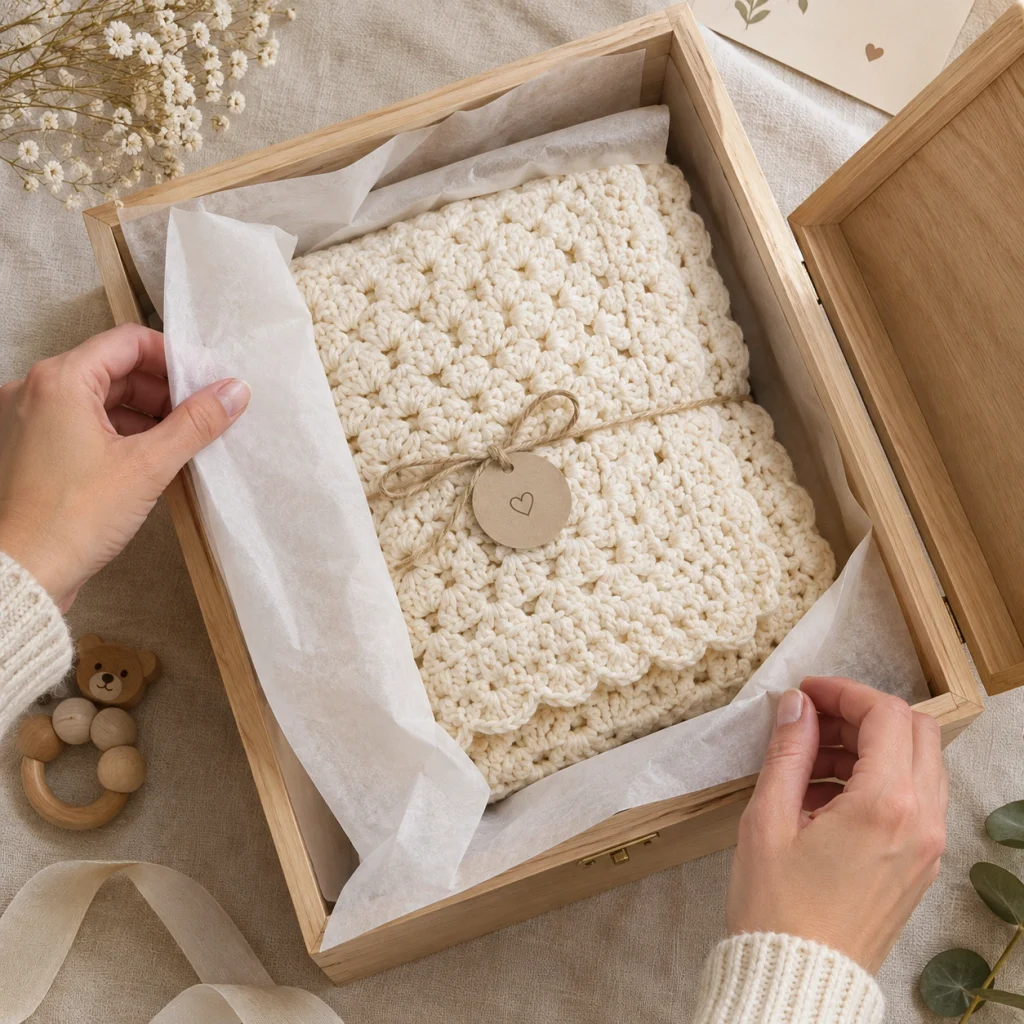
How a blanket is cared for between uses matters just as much as how it was made. A few practices that noticeably extend the life of a keepsake piece:
- Hand wash in cool water with a gentle, pH neutral detergent rather than machine washing, even if the yarn label says machine washable
- Lay flat to dry rather than using a dryer, which can cause pilling and shrinkage over repeated cycles
- Store folded in acid free tissue paper inside a breathable cotton bag rather than plastic, which can trap moisture and cause yellowing
- Refold along different lines every so often during long-term storage to prevent permanent crease lines from forming
- Keep stored blankets out of direct sunlight, which fades color and weakens fiber over years
Buying vs Making One Yourself
Both routes can result in a genuine heirloom, and the right choice usually comes down to time and skill level rather than which produces a better outcome.
Buying makes sense for a gift needed on short notice or for someone without crochet experience. Look for sellers who specify the exact fiber content, since “soft baby yarn” alone on a listing is not enough information to judge long-term durability.
Making one yourself allows full control over fiber, sizing, and personalization, and adds significant sentimental value simply because it was handmade by a specific person for a specific baby. A solid granny square or shell stitch blanket in mercerized cotton is a very achievable project even for a confident beginner, typically taking 15 to 25 hours depending on size and stitch density.
Frequently Asked Questions
What yarn is best for an heirloom baby blanket? Mercerized cotton is generally the top choice, since it resists yellowing and holds its shape well over decades, though merino wool is a strong option for cooler climates if stored carefully.
How big should an heirloom blanket be? Somewhere between 32 by 32 inches and 36 by 36 inches offers the most flexibility across a child’s early years and into later use as a keepsake.
Can an heirloom blanket be machine washed? It technically can if the yarn label allows it, but hand washing in cool water and laying flat to dry noticeably extends the life and appearance of a piece meant to last generations.
Is lace crochet a good choice for an heirloom blanket? It can be, but a firmer tension and slightly smaller hook than usual are recommended to help the open stitches resist stretching out of shape over years of use and storage.
How long does it take to make an heirloom quality blanket? Most confident beginners finish a solid stitch heirloom blanket in 15 to 25 hours, depending on the final size and stitch density chosen.
A truly heirloom baby blanket is less about a single clever pattern and more about a series of small, deliberate choices: a fiber that ages gracefully, a stitch that holds its shape, a color that never quite goes out of style, and care that respects all of it along the way. Made or chosen with that in mind, it becomes something a family reaches for at every new arrival for generations.